Enter text

Paste plain text or upload TXT/DOCX and we will turn it into a mind map.

0/40,000

UTF-8 TXT or DOCX; guests can use up to 40,000 characters, with longer input available after sign-in

Template guide

How to turn reading notes into a focused book mind map

The book notes mind map template organizes chapters, excerpts, and personal reflections into three focused themes. Unlike a general map that keeps expanding, this layout limits the number of primary branches and encourages the reader to select the ideas that best explain a book or chapter. Supporting arguments, examples, events, and conclusions can then be connected to each main theme.

Use your own reading summary, chapter notes, or a UTF-8 TXT or standard DOCX file that you are allowed to process. DOCX text is extracted locally before AI identifies the central topic and proposes three primary directions. The generated map is an aid for review, not a source of verified quotations.

What is a book notes mind map?

It is a visual reading note with one central subject, three core themes, and supporting ideas, evidence, examples, events, or reflections. Its goal is understanding rather than copying the full text.

Why use three themes?

A fixed number forces useful prioritization, reduces excessive copying, and creates a memorable route from the overall argument or story to the most important supporting details.
See the transformation

From scattered notes to clear understanding

Before: Raw reading notes

Chapter notes — The Power of Habit

  • Cue, craving, response, and reward form a habit loop
  • The environment can make a behavior easier or harder
  • Small wins help a new identity feel believable
  • Repeated actions gradually become automatic
  • Reflection: choose one habit and start small

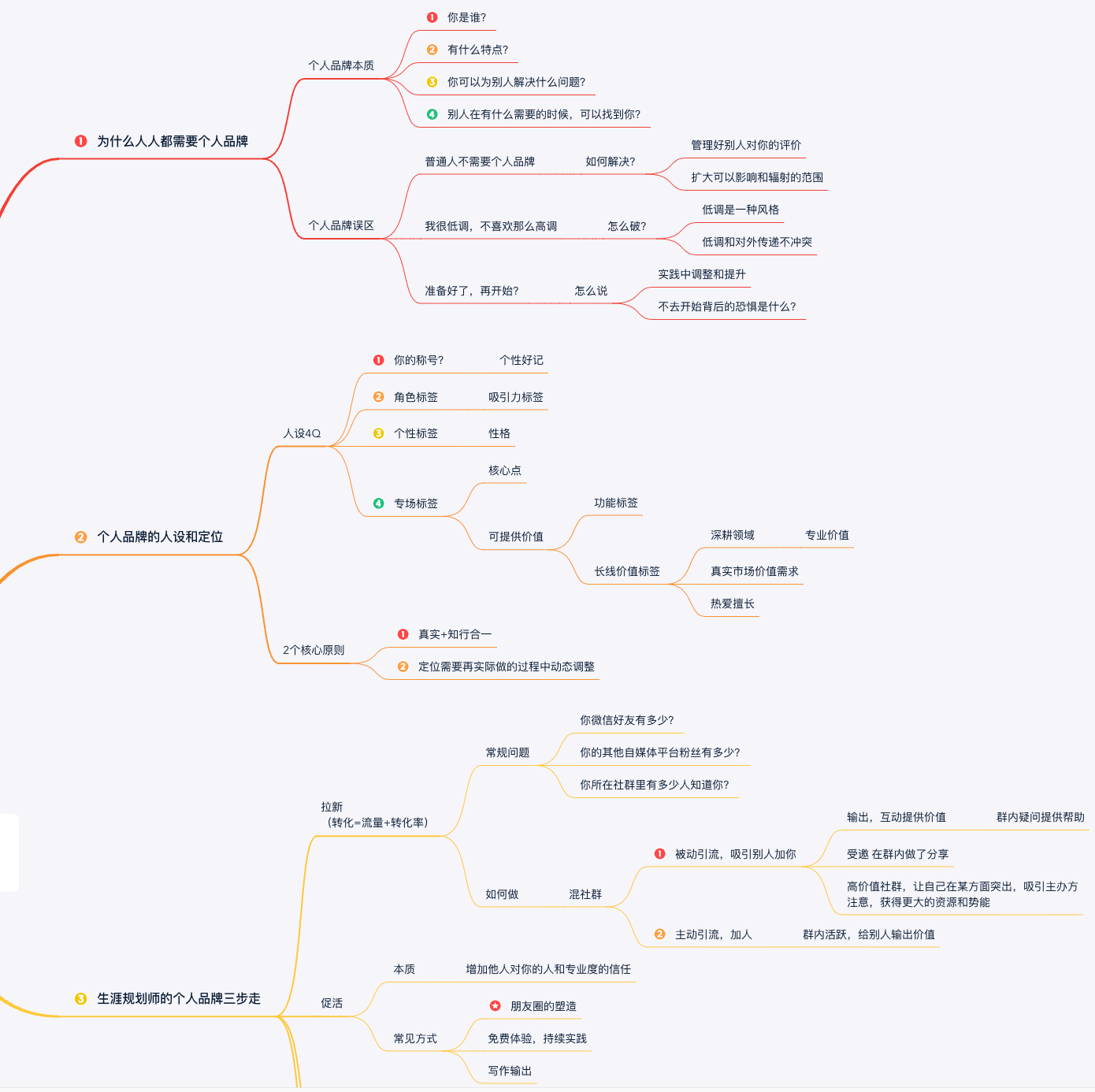
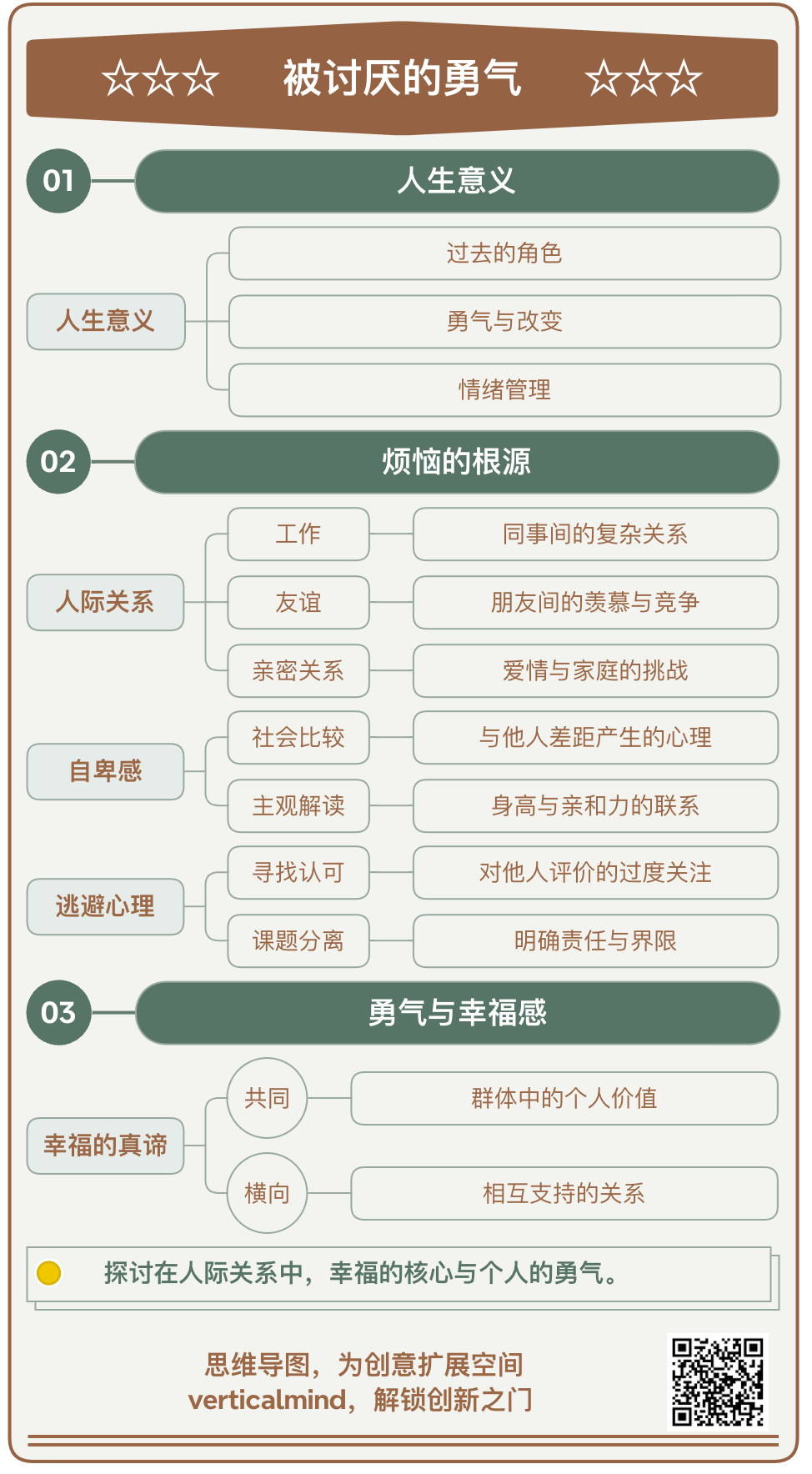
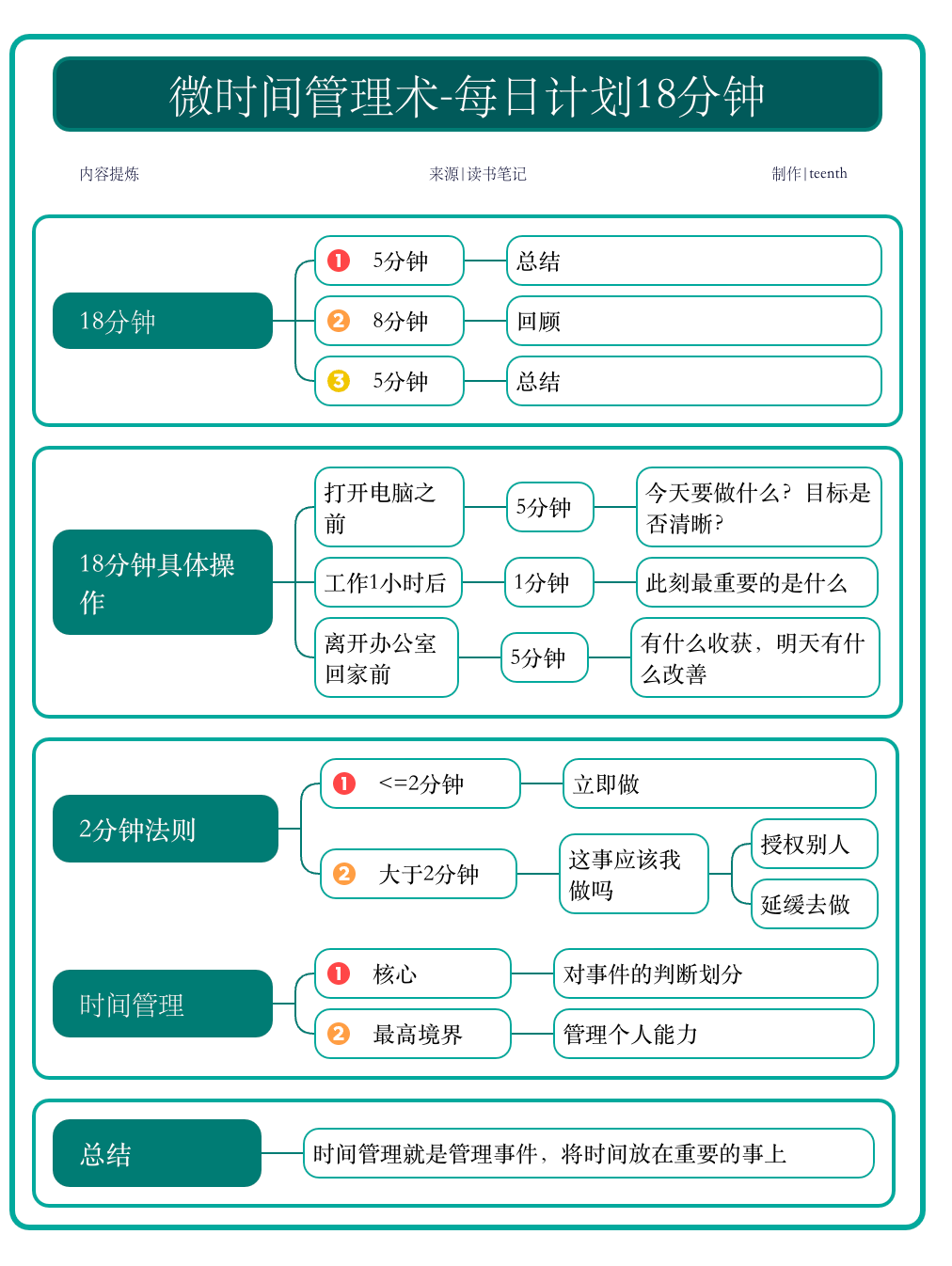
After: Focused three-theme mind map

Book Mind Map Template for Reading Notes

How to build your mind map

How to generate a book notes mind map

Turn excerpts into understandable notes first, then identify three themes that are genuinely distinct.

  1. 01

    Prepare reading notes

    Include the book or chapter title, important ideas, evidence, examples, questions, and your own interpretation.

  2. 02

    Paste or upload TXT/DOCX

    Enter plain text or upload a UTF-8 .txt or standard .docx file. Add chapter or page references where quotations require verification.

  3. 03

    Review the three themes

    Check that the themes are distinct, cover the key material, and do not repeat the same point using different wording.

  4. 04

    Add reflection and review

    Connect personal conclusions, questions, and possible actions to the relevant theme before using the map for study or sharing.

Who it’s for

Who this template is for and when to use it

Consider the content type, hierarchy, and intended outcome to decide whether this template fits the task.

Who is it for?

It is suitable for students, teachers, book clubs, reviewers, knowledge creators, and readers who want to build a reusable archive of what they learn.

When should it be used?

Use it after a chapter or book, before a discussion or review, while preparing a course, or whenever older reading notes need to be understood again quickly.

Practical guidance

From excerpts to useful reading notes

Effective notes distinguish between what the author says and how the reader interprets it. Group excerpts by topic and add one sentence that summarizes each group in your own words. The three themes do not need to be the first three chapters; they may be three central questions, arguments, stages, conflicts, or principles that explain the material together.

For fiction, consider character, conflict, and change. For nonfiction, consider problem, argument, and method. For practical books, consider principles, steps, and application. If a book contains too much information for one map, create one map per chapter and then build a book-level overview from the chapter summaries. Verify every quotation, number, and specialist term.

Frequently asked questions

Book notes mind map FAQ

Must the map contain exactly three themes?

This template prioritizes three themes for focus and layout stability. Split the source or use the horizontal template if more primary branches are necessary.

Can I upload a complete PDF book?

PDF is not supported. You can use permitted plain text, UTF-8 TXT, or standard DOCX. DOCX extraction reads text only and does not recognize scanned book pages.

Does it work for fiction and nonfiction?

Yes. Fiction can focus on character, conflict, and change, while nonfiction can focus on problem, argument, and method.

Can AI summaries be quoted directly?

No. Treat the map as an organizational aid and verify quotations, page numbers, data, and author intent in the original book.